

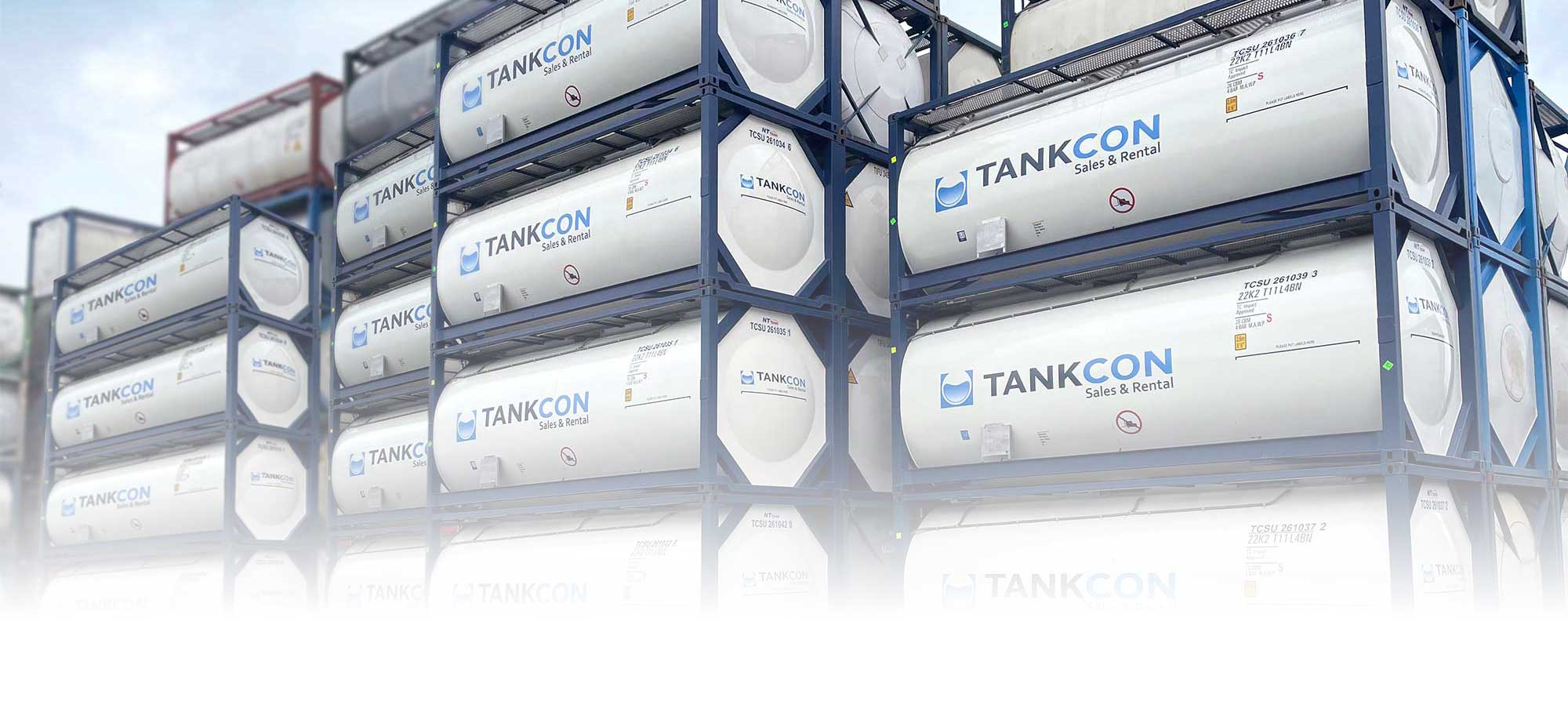
Container shipping companies in the UK support businesses and individuals that need to move cargo safely by sea, road, rail, or a combined transport route. For commercial buyers, exporters, manufacturers, distributors, and project cargo owners, choosing the right shipping partner affects cost, delivery time, customs accuracy, cargo security, and customer satisfaction. A container shipment is not only a box moving from one point to another; it involves planning, equipment selection, port handling, documentation, collection, delivery, insurance, customs clearance, and schedule control.
In the UK, container shipping usually moves through major port regions such as Felixstowe, Southampton, London Gateway, Tilbury, Liverpool, Hull, Immingham, Teesport, and Grangemouth. The right route depends on the cargo type, destination, container size, loading point, delivery deadline, and whether the shipment is full container load or less than container load.
At Tankcon, we approach container shipping with a practical mindset. The cargo must match the container, the paperwork must match the movement, and the route must match the delivery expectation. When these three points are handled correctly, container shipping becomes predictable rather than stressful.
Best Container Shipping Companies in the UK
The best container shipping companies in the UK are the ones that provide clear routing, reliable communication, correct documentation, transparent pricing, and safe cargo handling from collection to final delivery. A company may look strong on price, but if it cannot manage customs, port cut-off times, loading instructions, container availability, or delivery coordination, the shipment can quickly become expensive.
For UK businesses, the best provider is not always the largest one. It is the company that understands your cargo and gives precise guidance before the container is booked. A manufacturer shipping machinery, a food exporter moving palletised products, and a chemical business arranging tank container transport all need different planning.
A reliable container shipping company should help with:
- Container type selection
- FCL or LCL planning
- Port and route options
- Export or import documentation
- Customs clearance support
- Collection and final delivery
- Cargo weight and loading checks
- Schedule updates
At Tankcon, we focus on practical shipment planning rather than vague promises. The aim is simple: your cargo should move with the right container, the correct paperwork, and a realistic delivery plan.
International Container Shipping Services from the UK
International container shipping services from the UK are used for exporting goods to Europe, the Middle East, Asia, Africa, North America, South America, and other global markets. These shipments usually move through UK ports by sea, with road haulage used for collection from factories, warehouses, farms, terminals, and industrial sites.
A standard international shipment may involve container positioning, loading, sealing, export customs, port delivery, vessel loading, sea freight, destination customs, port release, and final delivery. Each step needs accurate information. Cargo description, HS code, gross weight, packing list, commercial invoice, container number, seal number, and consignee details must be correct.
UK exporters commonly use 20ft and 40ft containers for dry cargo, while tank containers are used for bulk liquids. A 20ft dry container can typically carry up to around 28 tonnes gross depending on route and equipment limits, while a 40ft container offers more volume for lighter cargo.
At Tankcon, we help customers think through the full route, not just the ocean freight rate. Port choice, sailing frequency, documentation timing, and delivery access all affect the final result.
Domestic Container Shipping Services in the UK
Domestic container shipping services in the UK are used when cargo needs to move between ports, depots, factories, warehouses, construction sites, farms, and distribution centres. Not every container movement is international. Many containers move within the UK for storage, repositioning, project work, inland distribution, and port-related logistics.
A domestic container move may involve a 20ft container, 40ft container, tank container, open-top container, flat rack, or specialist unit depending on the cargo. The vehicle type also matters. Standard skeletal trailers are used for many container movements, while HIAB vehicles or crane support may be needed where the receiving site cannot unload the container independently.
Domestic shipping costs depend on mileage, vehicle availability, container weight, collection point, delivery access, waiting time, and lifting requirements. A container moved from a port to a nearby warehouse is very different from a delivery to a rural site with narrow roads and no lifting equipment.
At Tankcon, we always check access, equipment, weight, and timing before arranging domestic container transport. Failed delivery wastes time, money, and site resources, so planning matters.
Full Container Load (FCL) Shipping Companies
Full Container Load shipping, known as FCL, means one customer uses the entire container for their cargo. The container may be filled completely or only partly loaded, but it is booked as a dedicated unit. FCL is often preferred by businesses shipping larger volumes, high-value goods, sensitive cargo, or products that should not be mixed with other shipments.
FCL is commonly used with 20ft and 40ft containers. A 20ft container is useful for heavy cargo such as machinery, metal parts, tiles, chemicals in packaged form, or dense palletised goods. A 40ft or 40ft high cube container is often better for lighter but bulkier cargo because it provides more internal volume.
The main benefit of FCL is control. The container is loaded, sealed, moved, and delivered as a single shipment. There is less cargo handling compared with shared container services, which can reduce damage risk.
A good FCL shipping company should confirm container availability, loading deadline, maximum payload, route, port cut-off, customs documents, and delivery plan. At Tankcon, we treat FCL planning as a full logistics process, not just a freight booking.
Less Than Container Load (LCL) Shipping Companies
Less Than Container Load shipping, known as LCL, is used when cargo does not fill a full container. Your goods are consolidated with cargo from other shippers, then moved in a shared container. This can be cost-effective for smaller shipments, samples, palletised goods, spare parts, commercial stock, and personal effects.
LCL is usually priced based on volume, commonly cubic metres, and sometimes weight if the cargo is heavy. A shipment of 2 cubic metres will normally cost far less than booking a full 20ft container, but LCL can involve more handling. Goods may be collected, delivered to a consolidation warehouse, loaded with other cargo, unloaded at destination, cleared, and distributed.
For LCL shipments, packaging quality matters. Cargo should be palletised, boxed, shrink-wrapped, labelled, and protected against movement. Since the container is shared, weak packaging increases damage risk.
A reliable LCL shipping company should explain transit time, consolidation schedule, destination charges, documentation requirements, and cargo restrictions. At Tankcon, we help customers decide whether LCL is genuinely suitable or whether FCL gives better control.
Sea Freight Container Shipping Services
Sea freight container shipping services are one of the most widely used methods for moving goods internationally from the UK. Sea freight is suitable for commercial cargo, industrial equipment, retail goods, raw materials, food products, chemicals in approved packaging, and bulk liquids in tank containers. It is often more economical than air freight, especially for larger or heavier shipments.
A sea freight movement usually starts with container release and collection. The container is loaded at the shipper’s site or warehouse, sealed, delivered to the port, cleared for export, loaded onto a vessel, shipped to destination, discharged, cleared, and delivered to the consignee. Each stage has timing rules. Missing a port cut-off can push cargo to a later vessel.
Sea freight can be arranged as FCL or LCL. FCL gives dedicated container use. LCL allows smaller cargo volumes to move in a shared container. Transit time depends on destination, routing, transhipment, vessel schedule, and port congestion.
At Tankcon, we pay close attention to cargo type, route, documents, and equipment suitability. Sea freight works best when the shipment is prepared properly before the container reaches the port.
Container Shipping Costs in the UK
Container shipping costs in the UK depend on route, container type, cargo volume, cargo weight, port, collection address, delivery address, customs requirements, and market conditions. A simple port-to-port quote can look very different from a full door-to-door price because inland haulage, port handling, documentation, customs clearance, fuel charges, and delivery costs may be added.
For international shipments, cost is usually influenced by whether the cargo moves as FCL or LCL. FCL pricing is based on the container and route. LCL pricing is usually based on volume or weight, with minimum charges applied. A 20ft FCL shipment may be more cost-effective than LCL when the cargo volume becomes large enough, even if the container is not completely full.
Domestic container transport costs are affected by mileage, vehicle type, waiting time, site access, lifting requirements, and whether the container is empty or loaded. A loaded container must also stay within road weight limits.
At Tankcon, we recommend asking for a full cost breakdown. Freight rate alone is not enough. The useful number is the total cost from collection to final delivery.
Factors That Affect Container Shipping Prices
Container shipping prices are shaped by several operational and market factors. The biggest influences are distance, destination, container size, cargo weight, equipment availability, port choice, fuel cost, customs requirements, and seasonal demand. Prices can also move when vessel space is tight or when port congestion affects schedules.
Cargo type has a direct effect. Standard dry cargo is usually easier to price than hazardous goods, temperature-sensitive products, oversized cargo, heavy machinery, or bulk liquid cargo. Dangerous goods may require special documentation, approved packaging, trained handling, route checks, and carrier approval. Heavy cargo can limit container options and may require specific haulage planning.
Container size matters too. A 20ft container is often preferred for dense cargo, while a 40ft or 40ft high cube container is better for lighter, bulkier goods. Choosing the wrong container can increase cost or create loading problems.
Common price factors include:
- FCL or LCL service type
- Origin and destination
- Port charges
- Customs clearance
- Cargo weight and volume
- Container type
- Delivery access
- Lifting needs
- Insurance
- Documentation requirements
At Tankcon, we try to identify these cost drivers early so customers are not surprised later.
How to Choose the Right Container Shipping Company
Choosing the right container shipping company starts with understanding what support you actually need. Some customers only need port-to-port sea freight. Others need collection, loading advice, export customs, destination clearance, delivery, cargo insurance, tank container support, or documentation guidance. The right provider should be able to explain the full process clearly.
A good shipping company should ask about your cargo before quoting. Weight, dimensions, packaging, commodity type, destination, Incoterms, loading address, delivery address, deadline, and customs status all matter. If these questions are ignored, the quote may not reflect the real job.
Look for clear communication. Container shipping involves cut-off dates, sailing schedules, port handling rules, customs documents, and delivery appointments. When communication is weak, delays become harder to manage.
Before choosing, check whether the company can support:
- FCL and LCL options
- UK collection and delivery
- Export and import customs
- Commercial cargo
- Personal effects
- Specialist containers
- Tank containers where needed
At Tankcon, we believe good shipping starts before the container is booked. Clear planning prevents problems at loading, port entry, customs, and delivery.
Container Shipping for Businesses and Commercial Cargo
Container shipping for businesses and commercial cargo requires accuracy, planning, and reliable documentation. Commercial shipments often involve purchase orders, production deadlines, customer delivery windows, customs declarations, insurance requirements, and contractual obligations. A missed sailing or incorrect document can affect more than one shipment; it can interrupt an entire supply chain.
Businesses use container shipping for machinery, packaged goods, retail stock, raw materials, industrial parts, construction materials, chemicals, food products, and bulk liquids. The right container depends on the cargo. Dry goods may move in standard containers. Oversized machinery may need a flat rack or open-top container. Bulk liquids may need an ISO tank container.
Commercial cargo also needs correct paperwork. Commercial invoice, packing list, HS code, EORI number, export declaration, import documents, certificates, and shipping instructions may be required depending on route and product.
At Tankcon, we help commercial customers focus on the practical details: what is being shipped, how it is packed, when it must arrive, which container is suitable, and what documents are needed. That structure makes shipping far easier to manage.
Container Shipping for Personal Effects and Household Goods
Container shipping for personal effects and household goods is commonly used by people relocating from the UK or moving belongings internationally. Personal shipments may include furniture, clothing, books, kitchen items, tools, bicycles, decorations, and household equipment. These goods can move as LCL if the volume is small or FCL if the customer needs a dedicated container.
Packing quality is very important for household goods. Items may travel by road, port handling equipment, vessel, terminal, and delivery vehicle before reaching the final address. Fragile items should be wrapped carefully, boxes should be labelled, furniture should be protected, and an inventory should be prepared.
Personal effects shipments usually require documents such as passport copy, packing list, destination address, customs forms, and sometimes proof of residence or visa status depending on destination country. Rules differ by country, so paperwork should be checked before shipping.
A door-to-door service may be useful when the customer wants collection, export handling, sea freight, customs support, and delivery arranged together. At Tankcon, we recommend clear inventory preparation because customs officers may ask what is inside the shipment.
Customs Clearance and Documentation Services
Customs clearance and documentation services are a key part of container shipping from the UK. A container cannot move smoothly if the paperwork is incomplete, inconsistent, or submitted late. Even a small mistake in cargo description, HS code, consignee details, gross weight, or invoice value can delay clearance.
Typical documents may include commercial invoice, packing list, bill of lading, export declaration, import declaration, EORI number, certificate of origin, dangerous goods declaration, insurance certificate, and product-specific certificates. The exact requirement depends on cargo type, origin, destination, and trade terms.
For commercial cargo, the HS code must match the product being shipped. The declared value should align with the invoice. Gross weight and package count should match the packing list and shipping instructions. For dangerous goods, documents must follow strict format and technical requirements.
Customs clearance is not only about submitting forms. It is about making sure the shipment details make sense across every document. At Tankcon, we prefer to check documentation early, before the container reaches the port. That gives time to correct errors before they become delays.
Container Collection and Delivery Across the UK
Container collection and delivery across the UK involve moving containers between ports, depots, warehouses, factories, farms, construction sites, and private addresses. The service may cover empty container positioning, loaded container collection, port delivery, inland transport, storage delivery, or final door delivery after import clearance.
Most standard containers are moved on skeletal trailers. A 20ft or 40ft container can usually be transported by road, provided the cargo weight is legal and the site can accept the vehicle. For locations without unloading equipment, a HIAB vehicle or crane may be needed. This must be checked before delivery.
Access planning is one of the most important parts of UK container delivery. Narrow roads, weak surfaces, tight entrances, low bridges, overhead cables, limited turning space, and restricted delivery hours can affect the job. A container may be technically deliverable to the postcode but not safely placeable at the exact site.
At Tankcon, we ask for site details early. Photos, access notes, ground condition, lifting plan, and delivery contact information help prevent failed deliveries and extra haulage charges.
Door-to-Door Container Shipping Services
Door-to-door container shipping services cover the movement from the sender’s address to the receiver’s address, rather than only port-to-port transport. This service is useful for businesses and individuals who want one coordinated process covering collection, export handling, sea freight, customs support, destination port release, and final delivery.
A door-to-door shipment usually starts with confirming cargo details, container type, loading point, destination address, documents, customs status, and delivery requirements. The container is then positioned for loading, transported to the port, shipped internationally, cleared at destination, and delivered to the final site.
Door-to-door service can reduce confusion because fewer parties need to be managed separately. It also helps customers understand the total cost more clearly. Port-to-port freight may look cheaper, but it does not include inland transport, customs clearance, destination charges, or final delivery.
For door-to-door container shipping, accurate access information is essential at both ends. At Tankcon, we check loading and delivery conditions before arranging movement so the container does not arrive at a site that cannot handle it.
UK Ports Used by Container Shipping Companies
UK container shipping companies use several major ports depending on cargo location, destination, vessel route, and container type. The largest container gateways handle high volumes of import and export cargo, while regional ports support domestic distribution, short-sea routes, industrial cargo, and specialist movements.
Felixstowe is one of the UK’s busiest container ports and is widely used for deep-sea container traffic. Southampton is another major gateway, serving many global trade lanes. London Gateway and Tilbury are important for cargo moving in and out of the South East and Midlands. Liverpool supports routes for northern England, Ireland, and transatlantic trade. Hull, Immingham, Teesport and Grangemouth are also used for containerised and industrial cargo movements.
Port selection affects haulage cost, sailing options, transit time, and delivery planning. A port close to the shipper may not always be the best choice if vessel frequency or destination coverage is weaker. The right port balances inland transport cost with ocean routing.
At Tankcon, we consider cargo origin, destination, schedule, equipment availability, and final delivery needs before recommending a UK port route.
Frequently Asked Questions About Container Shipping Companies in the UK
What are the best container shipping companies in the UK?
The best container shipping companies in the UK are the ones that match the service to the cargo, communicate clearly, and provide accurate cost and document guidance before the shipment begins. A good company should not only quote a price; it should explain what is included, what is not included, which documents are needed, and what could affect timing.
For business cargo, the provider should understand FCL, LCL, customs clearance, port cut-offs, container loading, cargo weight limits, and delivery planning. For personal effects, the company should explain packing, inventory preparation, customs forms, and destination handling. For specialist cargo, experience with container type and product requirements matters even more.
A strong container shipping provider should offer:
- Clear route planning
- Transparent pricing
- UK collection and delivery
- Customs support
- FCL and LCL options
- Practical communication
- Cargo-specific advice
At Tankcon, we do not believe in one-size-fits-all shipping. The best solution is built around the cargo, route, timing, and site conditions.
How much does container shipping cost in the UK?
Container shipping cost in the UK depends on route, container size, cargo type, shipment volume, weight, port choice, customs requirements, and whether the service is port-to-port or door-to-door. A 20ft FCL shipment, 40ft FCL shipment, LCL pallet shipment, and tank container movement will all be priced differently.
For FCL, the cost is usually based on the container, route, sea freight rate, port charges, documentation, customs clearance, and haulage. For LCL, pricing is commonly based on cubic metres or weight, with local charges added. Domestic container transport costs depend on mileage, vehicle type, container weight, waiting time, and lifting requirements.
The final price may include:
- Collection
- Export customs
- Port handling
- Ocean freight
- Bill of lading fees
- Destination charges
- Import clearance
- Final delivery
- Insurance if requested
At Tankcon, we recommend asking for a complete quote rather than comparing only the sea freight line. The lowest freight rate is not always the lowest delivered cost.
Which UK ports handle container shipping?
Several UK ports handle container shipping, and the right port depends on cargo location, destination, route availability, and transport cost. Major container ports include Felixstowe, Southampton, London Gateway, Tilbury, Liverpool, Hull, Immingham, Teesport, and Grangemouth. Each port serves different trade lanes and inland regions.
Felixstowe and Southampton are widely used for deep-sea container traffic. London Gateway and Tilbury are strong options for cargo linked to London, the South East and Midlands. Liverpool is useful for northern England and routes connected to Ireland or transatlantic trade. Hull, Immingham, Teesport and Grangemouth serve regional, industrial and short-sea movements.
Port choice affects more than vessel sailing. It changes haulage distance, delivery timing, port handling costs, container availability, and sometimes customs flow. A port close to your site may reduce inland transport cost, but another port may offer better sailing frequency.
At Tankcon, we consider both inland and sea transport before recommending a route. The best port is the one that supports the whole shipment efficiently.
Do container shipping companies offer door-to-door delivery?
Yes, many container shipping companies offer door-to-door delivery from the UK. This means the shipment is managed from the sender’s address to the receiver’s address, rather than only between ports. Door-to-door service is useful for businesses and individuals who want one coordinated plan for collection, sea freight, customs clearance, and final delivery.
A door-to-door container shipment may include empty container positioning, loading at the origin site, road transport to the port, export customs, ocean freight, destination port handling, import customs, and delivery to the final address. The exact service scope should be confirmed in writing because charges and responsibilities can vary.
Site access is important at both ends. The origin and destination must be able to accept the vehicle, load or unload safely, and provide any required lifting equipment. If there is no container handling equipment on site, HIAB or crane support may be needed.
At Tankcon, we check access, cargo details, documents, and delivery timing before arranging door-to-door movement. That keeps the process far more predictable.
What is the difference between FCL and LCL shipping?
FCL means Full Container Load. LCL means Less Than Container Load. With FCL, one customer books the whole container for their cargo. With LCL, the cargo shares container space with shipments from other customers.
FCL is usually better for larger shipments, high-value cargo, sensitive goods, or cargo that should not be handled repeatedly. The container is loaded, sealed, transported, and delivered as one dedicated unit. This gives better control and often reduces handling risk.
LCL is suitable for smaller shipments that do not justify a full container. The cargo is moved to a consolidation warehouse, loaded with other shipments, shipped, then separated at destination. It can be cost-effective for low-volume cargo, but transit time may be longer and handling is higher.
The choice depends on volume, weight, value, urgency, destination, and budget. Once LCL cargo reaches a certain size, FCL may become more practical.
At Tankcon, we help customers compare both options using real cargo details rather than guessing from container size alone.
Can I ship personal belongings in a container?
Yes, personal belongings can be shipped in a container from the UK. This is common for international relocation, long-term travel, overseas work moves, family moves, and household goods transport. Personal effects can move as LCL if the shipment is small or as FCL if the volume is large enough for a dedicated container.
Typical personal belongings include furniture, clothing, books, kitchenware, tools, bicycles, sports equipment, decorations, and household items. Packaging should be strong because the cargo may be handled several times during the journey. Boxes should be labelled, fragile items protected, and furniture wrapped properly.
Customs documents are usually required. These may include a packing list, passport copy, destination address, residence details, and country-specific customs forms. Some items may be restricted or prohibited, depending on destination rules.
A clear inventory is very useful. It helps customs, insurance, packing control, and delivery checks.
At Tankcon, we recommend preparing personal effects shipments carefully before collection. Good packing and accurate documents make the move smoother from the UK to the destination.
How long does container shipping take from the UK?
Container shipping time from the UK depends on destination, service type, port, route, vessel schedule, customs clearance, and final delivery location. Short-sea shipments to nearby European ports may take only a few days on the water, while deep-sea routes to Asia, Africa, the Middle East, North America, or South America can take several weeks.
The full timeline includes more than vessel transit. Collection, loading, export customs, port cut-off, vessel departure, sea transit, destination discharge, import customs, port release, and final delivery all add time. A shipment may wait for the next scheduled sailing if the container misses the cut-off.
LCL shipments can take longer than FCL because cargo must be consolidated before departure and separated after arrival. FCL often moves more directly because the container remains dedicated to one shipment.
Customs delays, port congestion, weather, transhipment, documentation errors, and delivery access issues can affect timing.
At Tankcon, we give realistic timing based on the full movement, not only the sailing duration. That helps customers plan production, stock, relocation, or project schedules with fewer surprises.