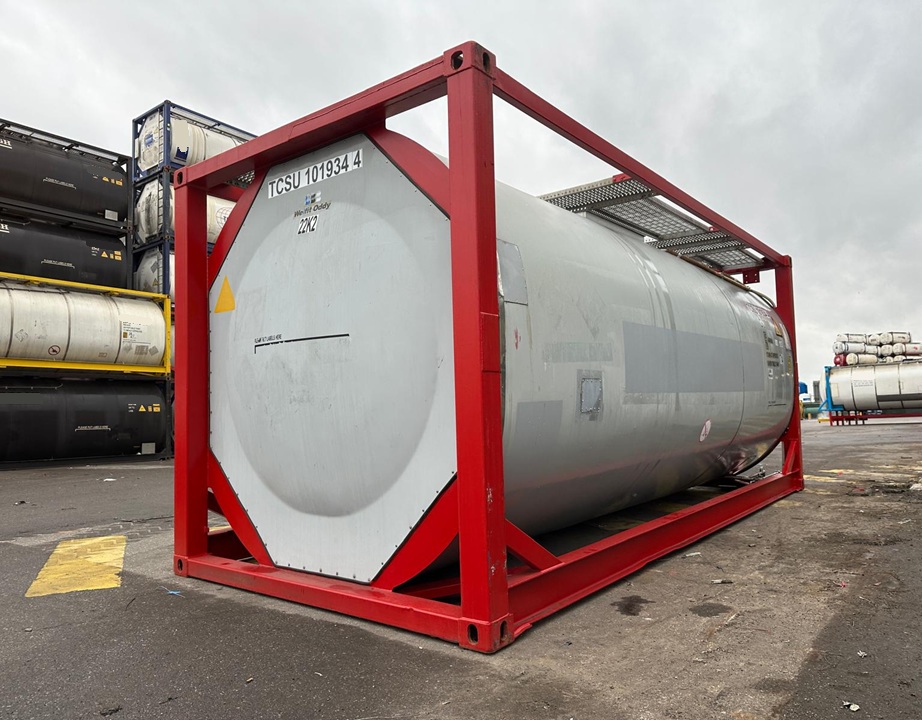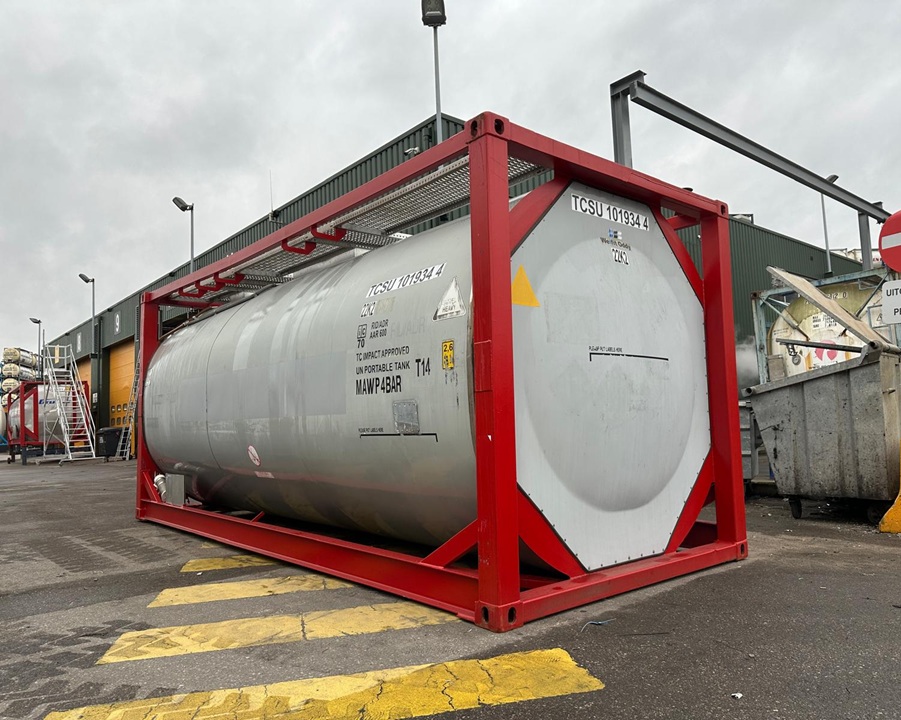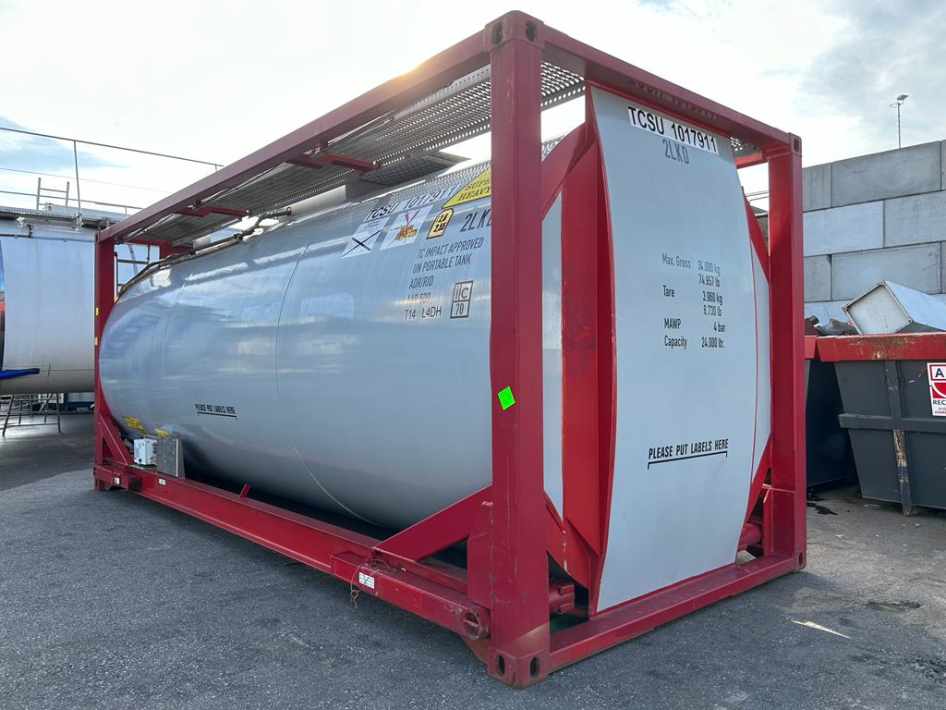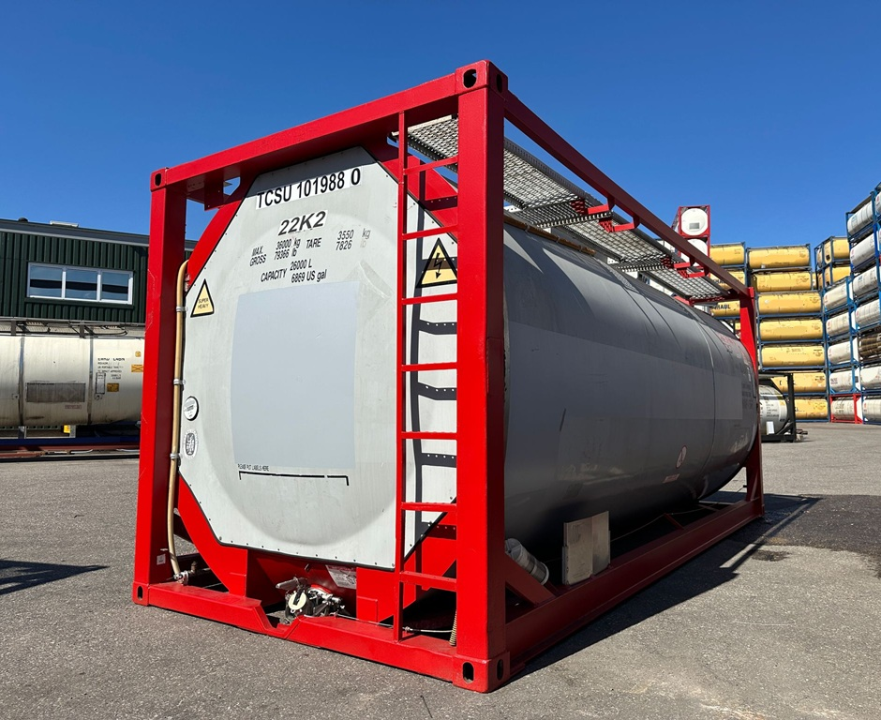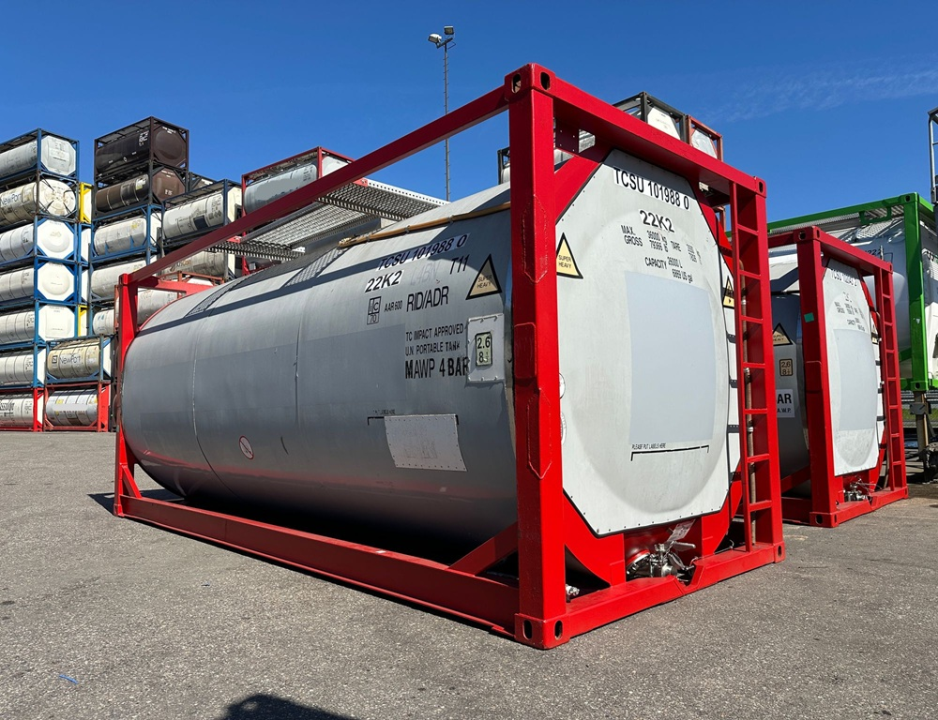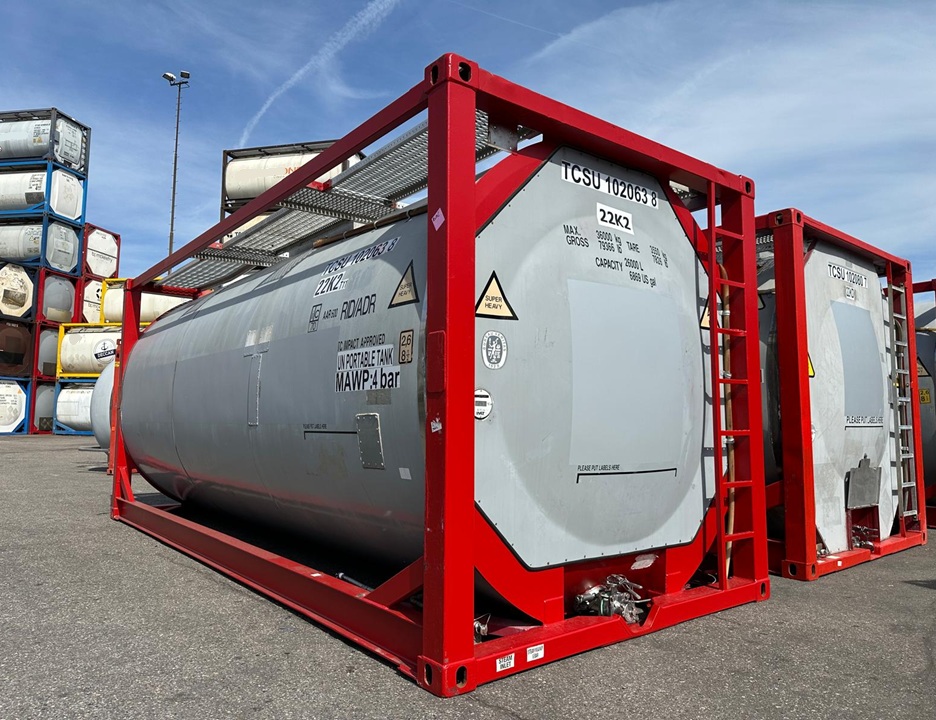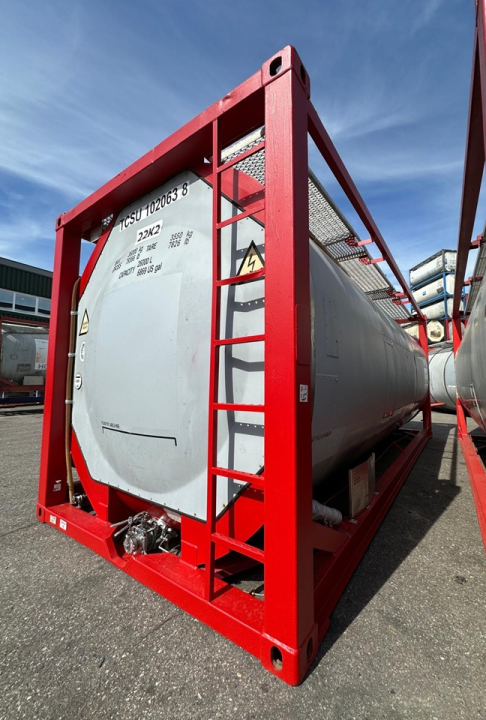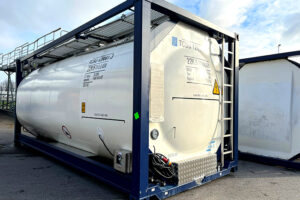
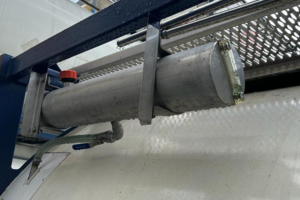
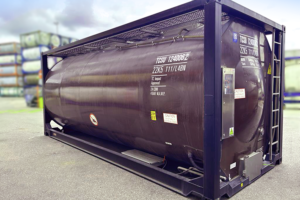
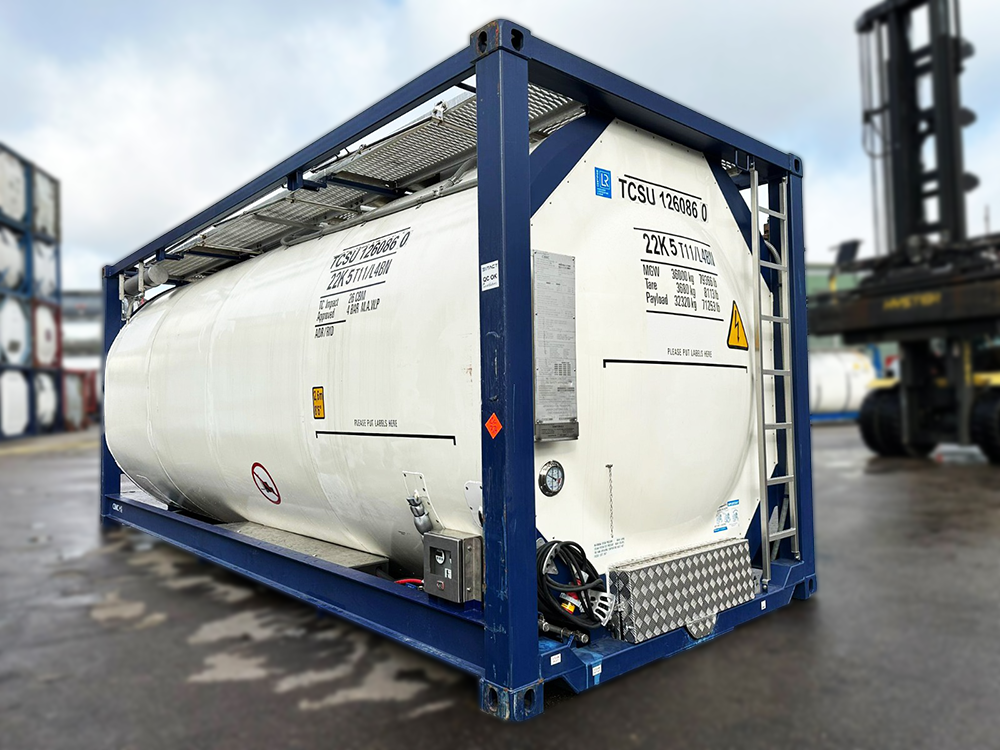
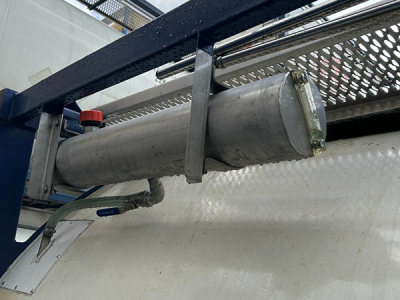
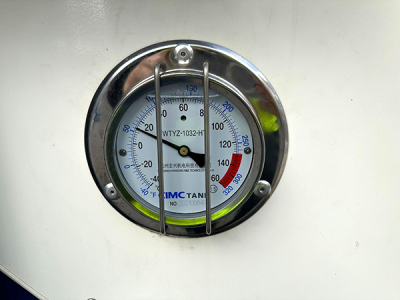
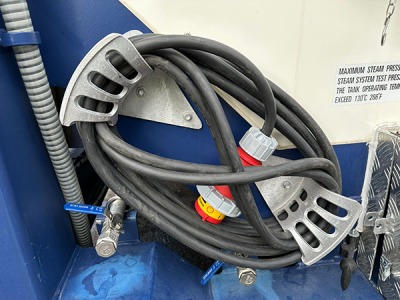
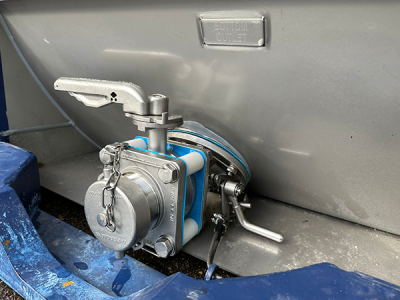
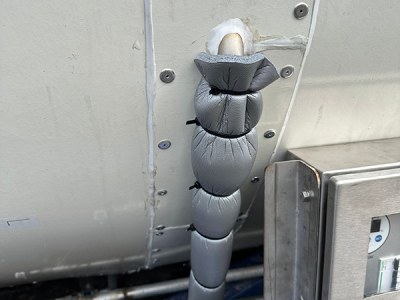
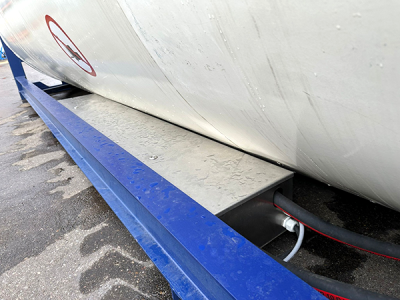
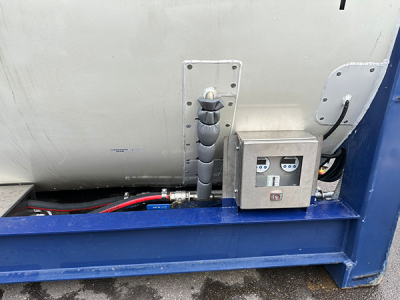
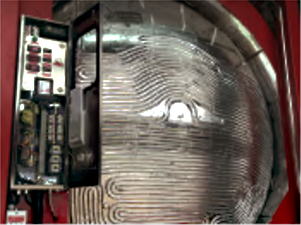


An electrical heated tank container is an ISO tank equipped with an electric heating arrangement designed to raise or maintain cargo temperature so the product can be pumped, drained, or handled safely at the destination. It’s built for products that become too viscous when they cool—bitumen being one of the most common—and for lanes where electric power is the practical heating source at terminals or receiver sites.
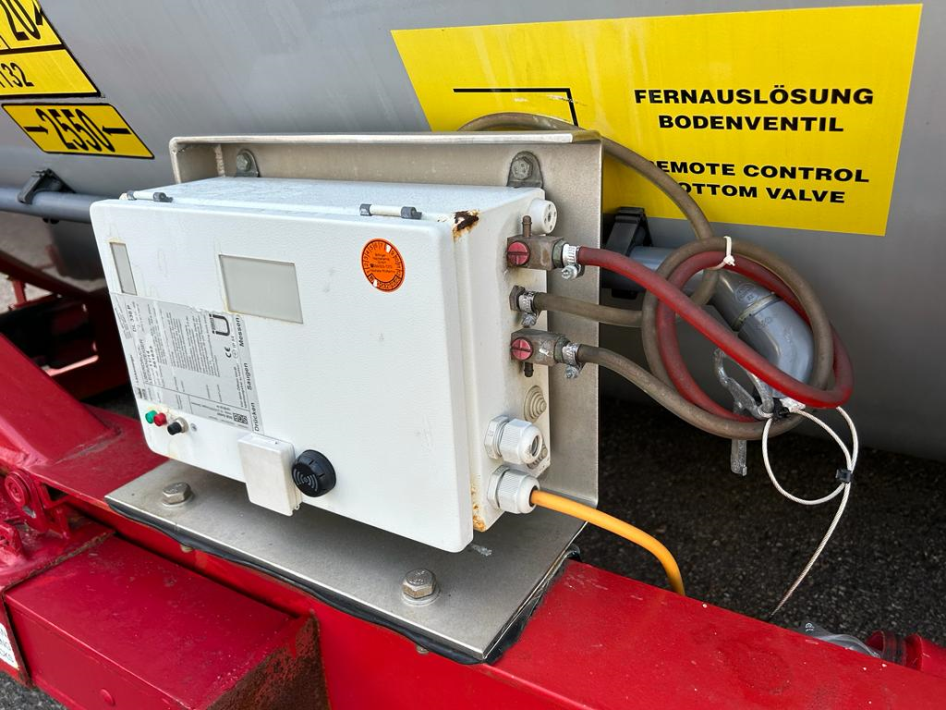
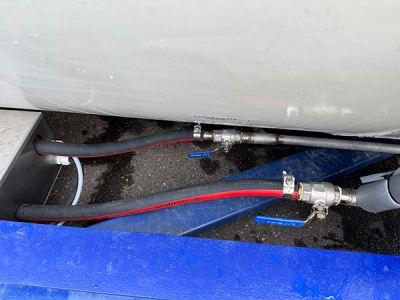
A standard ISO tank is a stainless-steel vessel in a 20-foot frame. With electrical heating added, the tank becomes a tool for temperature management. The heating system may focus on areas that matter most operationally, such as the discharge linework and zones where product tends to cool first. In bitumen work, what matters is the “last meters” problem: you can have a tank full of cargo that’s warm enough overall, but if the outlet area or lines are too cool, discharge becomes slow or impossible. Electric heating is used to avoid that bottleneck.
Insulation often sits right next to electrical heating as part of the same concept. Heating without insulation is like trying to warm a room with the window open. A properly specified electrical heated tank container is built to retain heat during transit and then add controlled heat at the end to reach discharge conditions. In day-to-day operations, that translates into fewer delays and less residue.
From a compliance and safety perspective, electrical heating requires disciplined operation. You’re dealing with power connections, grounding, and temperature controls. The heating arrangement must be protected against damage from terminal handling, and it must be serviceable at depots without turning every small fault into a long out-of-service event. That’s why, when we sell or deploy these units, we look at the whole package: heating capability, insulation condition, fittings layout, and the practical question every operator should ask—can the receiving site actually support the power connection and safe heating process?
So an electrical heated tank container is not just “a tank with a heater.” It’s an intermodal tank engineered to make temperature-sensitive liquid logistics workable, especially for cargo like bitumen where discharge performance is the make-or-break moment.